Web Design and Development for Automotive Company
ICON approached us to help with their site’s significant redesign and backend development.
720+
Projects Delivered
35+
Awards
15+
Years in Operation
27+
Industries Served

Native iPhone and iPad apps built in Swift to Apple’s interface guidelines. Device features such as camera, GPS and notifications are used fully and securely.

Native Android apps built in Kotlin for phones and tablets across manufacturers. They follow Google’s Material Design guidelines and are tested on real devices before release to Google Play.

One codebase in React Native or Flutter serves both iOS and Android with near-native performance. Compared with two separate apps, that can lower build and maintenance costs.

Field crews, technicians and sales teams update jobs, capture photos and signatures, check inventory and approve requests on site. The app keeps working even on a weak connection.

Secure APIs, cloud back ends and admin dashboards connect your app to QuickBooks, payment gateways, CRMs and the custom software you already use.

App Store and Google Play submission is handled for you. Ongoing support plans then cover OS updates, fixes and new features.




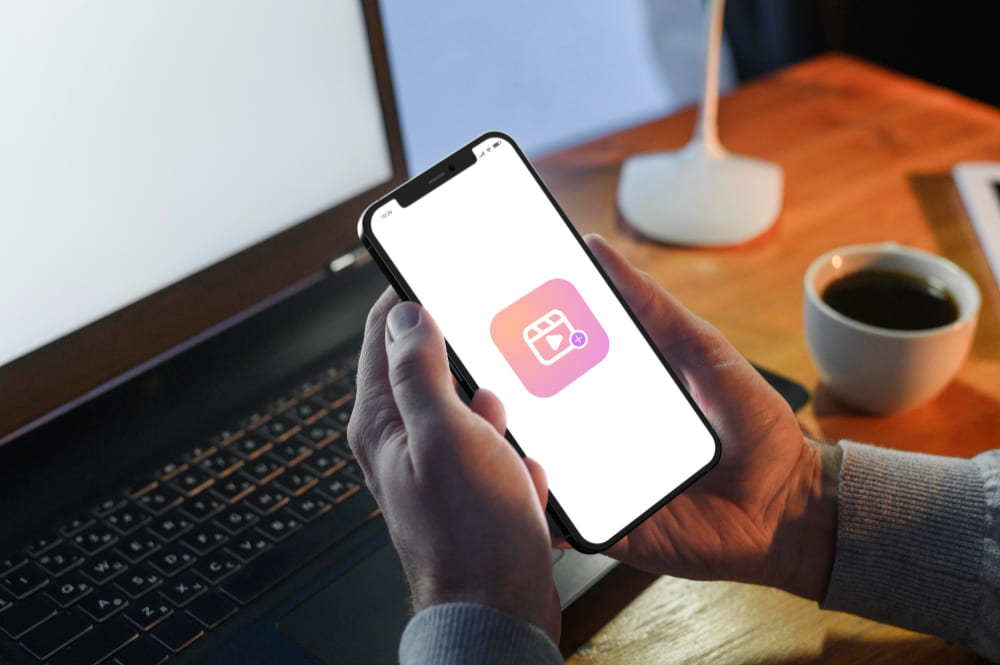
Users quickly abandon apps that are slow, confusing or ask for too much too soon. A successful app earns its place on the home screen. It does that by making one or two important tasks noticeably easier.
Design starts with the people who will use your app. They might be customers, field technicians or members of a nonprofit community. Each has tasks to complete quickly. Onboarding is short, navigation is predictable and key actions sit within easy reach.
An app that stands alone creates one more place for data to get lost. Your app connects to the systems your business already depends on. That includes QuickBooks, payment gateways, CRMs, inventory and scheduling software. Every record stays in one place.
Field teams can keep working offline, and the app syncs automatically when a connection returns. Orders placed in the app appear in your back office right away. Payments reconcile in accounting. Managers see live job and sales data without chasing updates by phone or email.
Our web application development team also builds the admin dashboards and web portals behind the app. Your staff manage content, users, orders and notifications from any browser. Routine changes don’t need to wait for a developer.
You don’t need separate vendors for design, development, back end and launch. One team handles the full lifecycle for you. That includes App Store and Google Play submission, store listings and preparation for each platform’s review guidelines.
Cross-platform development with React Native or Flutter often lets one codebase serve both iOS and Android. That can lower build and maintenance costs. When performance or deep device features demand it, native Swift and Kotlin are the better choice. You’ll see the trade-offs clearly before any code is written.
As a custom mobile application development company, we offer fixed price, time and materials, hourly or dedicated team engagements. When requirements are still forming, a short discovery and wireframing phase defines them first. After launch, ongoing support and maintenance plans keep the app compatible with new OS versions and devices.
Contact Us for Your Free Consultation.
Already have a product team? Hire mobile application developers to add Swift, Kotlin, React Native or Flutter expertise. Your new mobile app developers join your sprints and tools, hourly or as a dedicated team.

It starts with your users, core features, platforms and integrations, plus a review of competing apps in your category. Clear requirements get a written estimate. When they are still forming, a short discovery and wireframing phase comes first. It produces user flows and a blueprint before full development.
Next comes the platform choice: native Swift and Kotlin, or cross-platform React Native and Flutter. The back end, APIs and data model are planned, and every screen follows iOS and Android conventions. You review and approve clickable prototypes before development begins.
Development runs in agile sprints. You can install working builds on your own phone as features are completed. Each build is tested on real devices and screen sizes. Checks cover performance, battery use, offline behavior, security and integration accuracy.
Store listings are prepared, and submission to the Apple App Store and Google Play is handled through review and release. After launch, ongoing support and maintenance plans cover OS updates, crash monitoring, fixes and new features as your user base grows.
Schedule a Free Consultation with Us.


“We’ve given My Web Programmer great reviews based on the work they did and we were never disappointed.”


“I care about finding the right people with the right brain power, and My Web Programmer’s team fit this description. They’re articulate and catch on quickly.”

“I don’t know of any other companies that are as good as them. The team communicates well and is extremely professional, striving to build a successful product.”

“The site is complete and fully-functioning. The team earned an extended partnership with the company based on its consistent ability. Their focused, proactive attitude makes them an ideal ongoing development partner.”

“Site traffic and SEO have both improved, and users compliment the new look and feel. My Web Programmer was communicative and responsive, and they delivered on all the details within the initial scope of work.”



It depends on the number of screens, features, platforms and integrations. Your estimate includes a timeline. A focused first release can launch while additional features follow in later updates.
Cost depends on platforms, features, integrations and design complexity. After a free consultation, you receive a written estimate. If requirements still need defining, you get a proposal for a short discovery phase instead.
Cross-platform development with React Native or Flutter suits most business apps. It keeps one codebase for both stores. Native Swift and Kotlin apps are better when you need maximum performance or deep device features. As a mobile application development firm working in all four, we recommend the option that fits your needs.
Yes. Store listings, screenshots and privacy details are prepared for you. Submission to the Apple App Store and Google Play is handled, and the review process is managed through release.
Yes. Ongoing support and maintenance plans keep your app compatible with new iOS and Android versions. They also fix issues, monitor performance and add features as your business grows.
See how we can help.